
TL;DR
Meta's Andromeda algorithm uses AI to analyze your ad creative's pixels to find audiences. Targeting settings matter less—creative diversity is now the primary lever for scaling paid social campaigns.
Key Takeaways
- 1Andromeda uses computer vision to analyze ad pixels and find matching audiences
- 2The creative IS the targeting—visual signals unlock new audience segments
- 3Volume and variety of creatives are essential for the algorithm to work
- 4Running similar ad variations limits reach to the same small audience
- 5Continuous creative testing is now a requirement, not an option
The One Lever That Actually Moves the Needle
There is only one lever left that actually moves the needle in paid social today: Creative Strategy. It is the single biggest driver of ROI, yet high-quality content on the topic is scattered and hard to find.
This shift didn't happen overnight. It's the result of a fundamental change in how Meta's advertising platform works—a change that most advertisers haven't fully grasped yet.
The Andromeda Shift: Why the Rules Have Changed
We're talking about this now because the rules have fundamentally changed with Andromeda. Andromeda is the internal name for Meta's updated ad delivery system. It moves away from the old "auction" logic and leans entirely into AI-driven discovery.
To put it concretely, here is the difference:
Before Andromeda: You told the algorithm who to target. You set up Lookalikes, interest stacks, and demographic filters. The creative was just the message you showed to the people *you* selected.
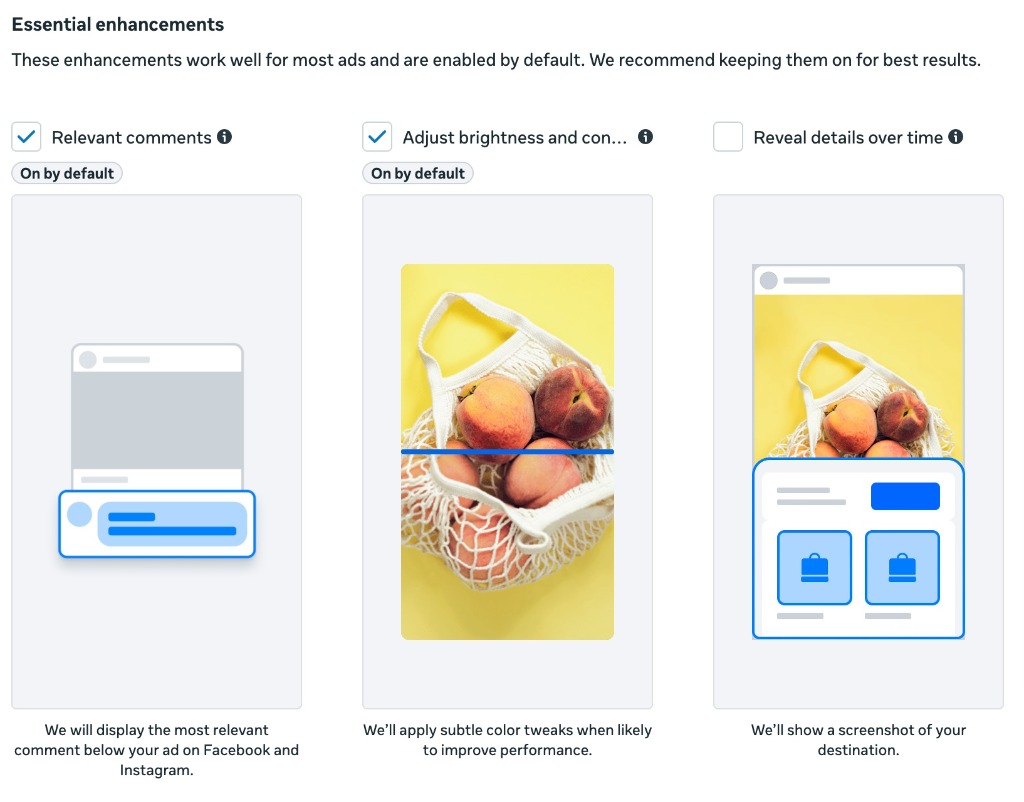
After Andromeda: The creative *is* the targeting. Meta's AI uses computer vision to analyze the actual pixels of your image or video. It looks at the text overlays, the colors, and the visual hooks to understand who will engage with it.
You can read the official engineering documentation from Meta to dive deeper into the technical details.
Volume and Variety Are No Longer Optional
As Meta states, the algorithm now requires "creative diversity" to find new pockets of users. If you run five variations of the same ad, you hit the same small audience.
This means volume and variety are no longer just optional tactics—they are simply how the system works now. If you want to scale, you need to feed the engine more creative inputs.
For marketers and creative strategists, this represents a paradigm shift:
- Creative Strategists need to think about visual signals that unlock new audiences
- Media Analysts must understand that campaign performance is now directly tied to creative diversity
- Designers are bridging the gap between art and performance more than ever
- CMOs focusing on profitability need to invest in creative production at scale
Resources for Going Deeper
Here are three resources worth exploring to understand this new landscape:
1. Meta Ads in 2026: The "Algorithmic Creative" Era
A brilliant breakdown of "Visual Entity Optimization"—how the AI actually "sees" your creative and why specific visual tropes unlock new audiences. Read the article →
2. The Secret to Better Content (Creative Strategy Playbook)
This video breaks down the "Insight Toolkit" (Shared Experiences, Cultural Hooks) that you need to incorporate into your social media strategy, whether organic or paid. Watch the video →
3. The Global Rise of "AI Slop" (And Why It Matters)
2025 was the year of the AI slop video flood. In South Korea, the top 11 trending AI slop channels accumulate over 8.45 billion views. In the US, this number exceeds 3.4 billion views. Understanding this trend is crucial for standing out. Read the report →
What This Means for Your Strategy
The implications are clear: if you're still approaching Meta advertising with a "set the targeting and let it run" mentality, you're leaving significant performance on the table.
The new playbook requires:
- High-volume creative production — More variations, more hooks, more formats
- Visual diversity — Different styles, colors, compositions to unlock different audience segments
- Continuous testing — The algorithm rewards fresh creative inputs
- Creative-first thinking — Strategy starts with the creative, not the audience settings
The advertisers who embrace this shift will see compounding returns. Those who don't will find their campaigns plateauing regardless of budget increases.
Conclusion
Creative is the new targeting. This isn't a trend or a tactical adjustment—it's the new reality of paid social advertising. The sooner you adapt your workflows and mindset to this paradigm, the better positioned you'll be to scale profitably in 2026 and beyond.